


1930s Fashion: Expert Guide to Classic Vintage Style

The 1930s is one of fashion history’s most misunderstood decades. Many people assume the Great Depression made it a grey, joyless era for clothing, but nothing could be further from the truth. In reality, the 1930s produced some of the most breathtaking, technically brilliant fashion ever created. Designers pushed boundaries, Hollywood turned film stars into style icons, and women embraced a new kind of elegance that felt both modern and deeply feminine. This guide walks you through everything: the history, the silhouettes, the fabrics, the designers, and how to bring this glorious era into your wardrobe today.
Table of Contents
Key Takeaways
Point | Details |
Fluid, feminine silhouettes | 1930s fashion replaced the boyish 1920s look with elegant shapes, natural waists, and graceful hemlines. |
Innovative bias-cut technique | Designers like Vionnet popularised the bias cut for beautiful, body-skimming gowns. |
Distinct colours and fabrics | Rayon, cotton, and bold prints distinguished genuine 1930s style. |
Timeless appeal today | 1930s-inspired looks can be worn with modern pieces for a uniquely sophisticated wardrobe. |
Setting the Scene: What Shaped 1930s Fashion?
To truly appreciate 1930s fashion, you need to understand the world that created it. The decade opened in the shadow of the Wall Street Crash of 1929, plunging much of the Western world into economic hardship. Yet, paradoxically, this period of austerity sparked extraordinary creativity in fashion. Designers could not afford excess, so they focused on cut, drape, and craftsmanship instead.
The contrast with the 1920s was striking. The flapper era had celebrated a boyish, liberated silhouette: short hems, flat chests, and dropped waists. The 1930s swept all of that away. As 1930s fashion history shows, women’s fashion shifted from those 1920s boyish flapper styles to feminine silhouettes with natural waistlines, slim hips, elongated lines, mid-calf day dresses, and floor-length evening gowns. It was a complete reinvention.

Hollywood played an enormous role in shaping the decade’s aesthetic. At a time when cinema was the ultimate escapism, film stars like Greta Garbo, Marlene Dietrich, and Joan Crawford became the style icons of their generation. Women across Britain and America looked to the silver screen for inspiration, and studios employed talented costume designers to dress their stars in aspirational glamour.
Here is what defined the era’s key aesthetic shifts:
Hemlines dropped from knee-length to mid-calf for daywear
Waistlines returned to their natural position, celebrating the female form
Necklines lengthened, with cowl necks and halter styles adding drama
Silhouettes slimmed, favouring a sleek, elongated line
Evening gowns swept the floor, often with dramatic trains
“Fashion in the 1930s was not about restriction. It was about refinement. The decade proved that elegance and innovation thrive even under pressure.”
For a deeper look at how this era fits into broader vintage style, our 1930s style guide is a wonderful place to start.
Iconic Silhouettes and Key Pieces
Once you know the cultural backdrop, the clothes themselves make perfect sense. The 1930s silhouette was all about celebrating the natural female body in a way the 1920s never did. Slim hips, a nipped waist, and gracefully flowing skirts became the defining visual language of the decade.

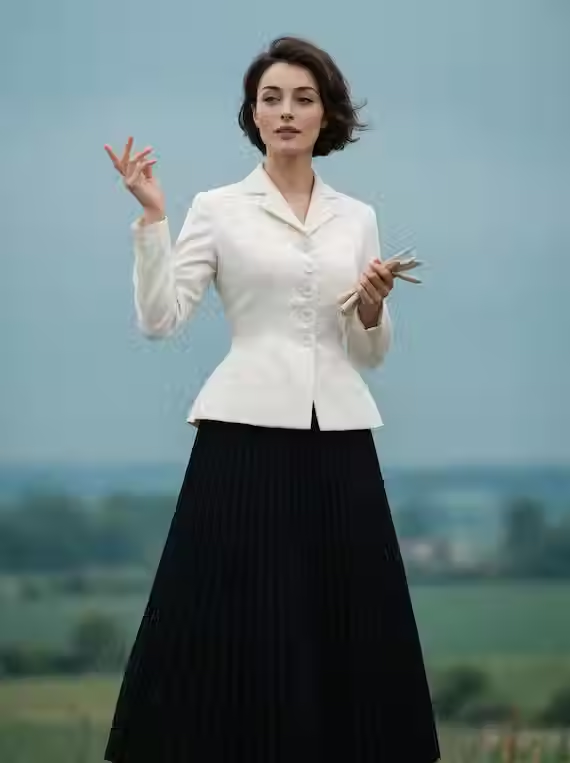
Lower hemlines, natural waistlines, and bias-cut gowns defined the look across both daywear and eveningwear. Daywear typically featured mid-calf lengths, soft pleats, Peter Pan or pointed collars, and a quiet femininity that felt practical yet polished. Blouses were often tucked into high-waisted skirts, and tailored jackets with padded shoulders began appearing towards the end of the decade.
Eveningwear was where the era truly dazzled. Bias-cut gowns, often in silk or rayon, skimmed the body and pooled at the floor. Cowl necks, halter backs, and draped details created a sense of fluid, effortless glamour. If you love that look, exploring bias cut gowns and 1930s dress styles can offer brilliant modern inspiration.
Key 1930s pieces to know:
The bias-cut evening gown: fluid, body-skimming, and impossibly elegant
The midi day dress: collared, belted, and often printed with florals or geometrics
The tailored two-piece suit: practical yet refined for working women
Wide-leg trousers: popularised by Marlene Dietrich and considered daring at the time
The wrap blouse: versatile and flattering across all body types
Garment | Occasion | Key feature |
Bias-cut gown | Evening | Floor-length, draped |
Midi day dress | Daywear | Collared, belted |
Tailored suit | Work/day | Structured, nipped waist |
Wide-leg trousers | Casual/leisure | Fluid, relaxed fit |
Accessories shifted too. The cloche hat of the 1920s gave way to berets, small tilted hats, and elegant gloves. Evening clutches became essential, and 1930s evening bags from this period are among the most collectible vintage accessories you can find today.
Pro Tip: If you are hunting for authentic 1930s eveningwear, look for gowns with a diagonal seam running across the bodice. That is the hallmark of a true bias cut, and it is almost impossible to fake convincingly.
Fabrics, Colours and Patterns of the Decade
Knowing the shapes is one thing. Knowing the materials is what separates a genuine collector from a casual admirer. The 1930s had a very specific textile vocabulary, shaped by both economic necessity and genuine artistic ambition.
Rayon was the decade’s miracle fabric. Developed as an affordable alternative to silk, it draped beautifully and gave bias-cut gowns their signature liquid quality. As 1930s textile patterns research confirms, rayon, cotton, and wool dominated the period, with florals, polka dots, and geometric prints appearing across both casual and formal garments. Cotton blends were common for daywear, while wool crepe and sharkskin fabric (a smooth, slightly lustrous weave) appeared in tailored pieces.
Colour tells its own story. Spring and summer collections favoured soft pastels: blush pink, mint green, powder blue, and buttery yellow. Formal occasions called for navy, black, and rich burgundy. Beige and camel were wardrobe staples, offering quiet sophistication without demanding too much of a tight budget.

Patterns to look for in authentic 1930s pieces:
Floral prints: large, painterly blooms on rayon or cotton
Geometric motifs: Art Deco influence, angular and precise
Polka dots: playful but refined, especially in navy and white
Abstract prints: influenced by Surrealism and modern art movements
Fabric | Use | Authenticity marker |
Rayon crepe | Evening and daywear | Fluid drape, slight sheen |
Sharkskin | Tailoring | Smooth, slightly textured weave |
Cotton lawn | Summer daywear | Lightweight, often printed |
Wool crepe | Autumn/winter | Soft, matte finish |
For vintage dress colours that echo the 1930s palette, navy remains one of the most timeless choices. When assessing a potential vintage purchase, feel the fabric. Genuine 1930s rayon has a particular cool, fluid weight that modern polyester simply cannot replicate.
Designers and Innovations that Defined the Era
No conversation about 1930s fashion is complete without Madeleine Vionnet. Often called the “architect of fashion,” Vionnet revolutionised the way clothes were constructed. Her defining contribution was the bias cut: cutting fabric diagonally across the grain rather than along it. The result was a garment that moved with the body, clung without constricting, and created that unmistakable liquid silhouette.

As Madeleine Vionnet’s) legacy shows, the bias cut technique) involved cutting fabric diagonally to the grain for a fluid, body-skimming drape that transformed eveningwear entirely. She draped directly on life-size wooden mannequins, using extra-wide fabrics to achieve seamless results. She even stamped her thumbprint inside garments to prevent copying, and trained apprentices rigorously in her methods.
Other designers who shaped the decade:
Elsa Schiaparelli: brought Surrealism into fashion, collaborating with Salvador Dalí on shocking, witty designs
Coco Chanel: continued refining her philosophy of elegant simplicity, making jersey and tweed fashionable for women
Mainbocher: the first American designer to succeed in Paris, dressing Wallis Simpson for her wedding
Cristóbal Balenciaga: opened his Paris house in 1937, beginning a legacy of architectural precision
“Vionnet did not just design clothes. She reinvented the relationship between fabric and body, and every bias-cut gown made since owes her a debt.”
For collectors, pieces inspired by this era of craftsmanship are genuinely special. A beautifully made needlepoint bag or a considered piece of evening dress inspiration can capture that same spirit of artisan quality.
Pro Tip: When researching a designer piece, look for hand-rolled hems and original press studs or hook-and-eye fastenings. These finishing details are strong indicators of genuine couture-level craftsmanship from the period.
Modern Inspiration: How to Wear 1930s Style Today
The wonderful thing about 1930s fashion is how naturally it translates into contemporary dressing. The silhouettes are flattering on a wide range of body types, the colour palette is perennially elegant, and the emphasis on quality fabric and cut aligns perfectly with a growing desire to move away from disposable fast fashion.

Bias cut and 1930s elements are regularly revived by modern designers seeking elegance and movement, which means you will find both authentic vintage pieces and well-made reproductions available to shop. The key is knowing how to wear them without looking like you have stepped off a film set.
Practical ways to incorporate 1930s style into your wardrobe:
Pair a bias-cut slip skirt with a modern fitted roll-neck for an effortless evening look
Wear a floral midi dress with block-heeled sandals to ground the vintage silhouette in the present
Add a beret and structured leather gloves to any simple outfit for an instant 1930s flavour
Choose a vintage midi dress in a period-appropriate print and style it with contemporary accessories
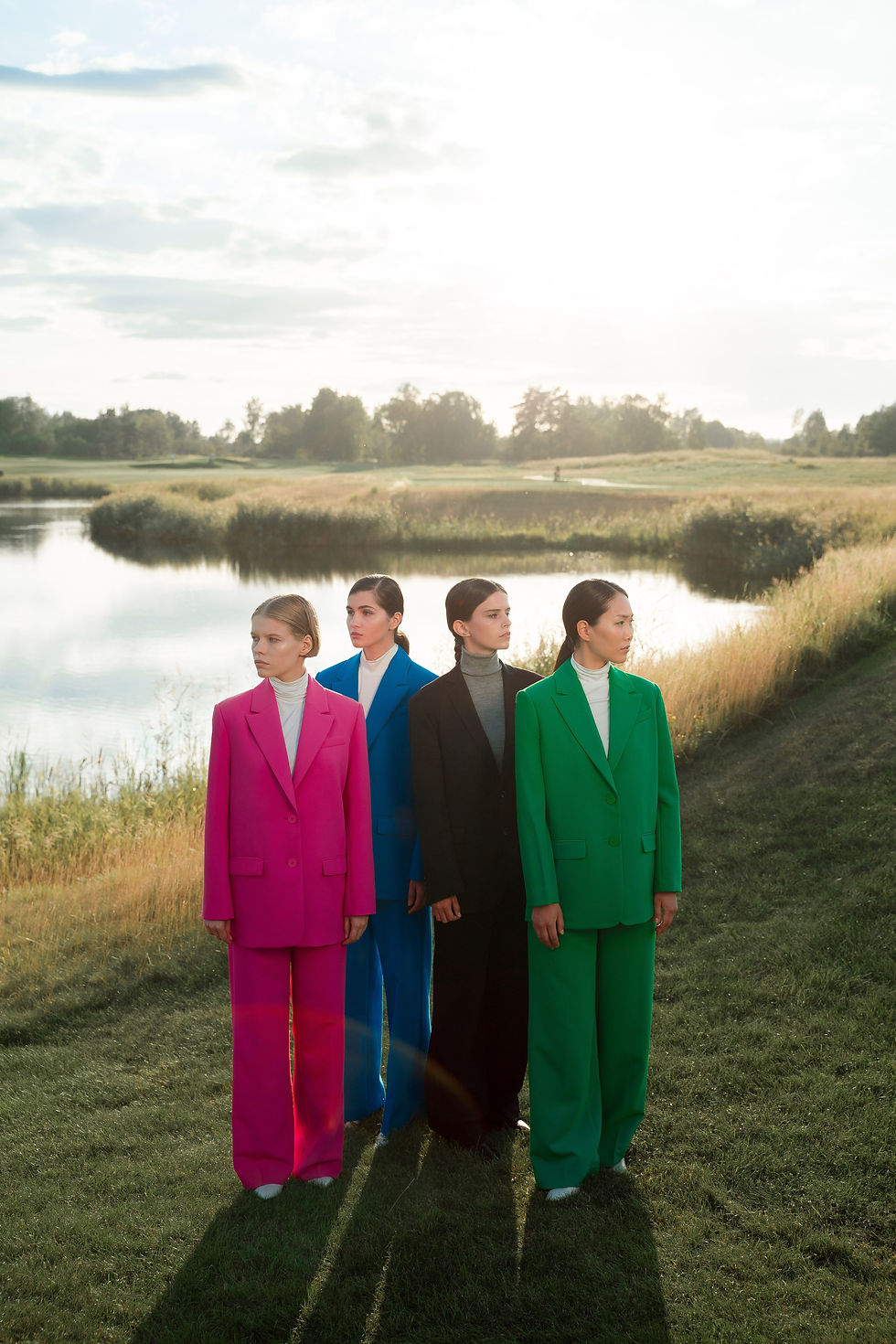
Layer a tailored blazer over a fluid blouse and wide-leg trousers for a modern take on 1930s suiting
Authentic vintage shops are your best resource for genuine finds. UK-based vintage retailers often carry pieces from slightly later decades that carry a strong 1930s influence, particularly from the fashion transitions of the early 1940s when many 1930s silhouettes persisted. Learning to spot quality construction, period-appropriate fabrics, and genuine vintage labels will serve you well as a collector.
What Most 1930s Fashion Guides Miss
Here is something we rarely see discussed: most guides focus entirely on the look of 1930s fashion and almost nothing on how to authenticate it. That is a significant gap, especially as reproductions from the 1970s and 1980s have become increasingly convincing with age.
The truth is, genuine 1930s pieces carry very specific markers of craftsmanship. Hand-rolled hems, original press studs, and hand-stitched seams are hallmarks of authentic garments. Vionnet’s methodology, which involved draping on life-size models) using extra-wide fabrics with anti-copy thumbprint labels and trained apprentices, set a standard of finishing that simply was not replicated in later mass-produced reproductions.
Provenance matters enormously. A piece with a verifiable label, a known history, or original shop tags is worth significantly more than an unlabelled garment, however beautiful it looks. Condition is equally critical. Look for even colour, intact seams, and original fastenings rather than replacements.
Our full 1930s style guide goes further into identifying period pieces, but the single most useful habit you can develop is handling as many genuine examples as possible. Touch, examine, and compare. Over time, your eye and your hands will learn to recognise the real thing instinctively.
Discover Authentic 1930s Style with My Vintage
If this guide has sparked your curiosity, we would love to help you take the next step. At My Vintage, we have been curating exceptional vintage fashion and homeware since 2004, and our passion for authenticity runs through everything we do.
Whether you are searching for a statement piece to wear or a beautiful object to display, our collection has something for every vintage lover. From our vintage fashion collection to charming vintage homeware finds and even a striking mid-century magazine rack for your home, we source with care and list with honesty. Browse, explore, and find something that truly speaks to you.
Frequently Asked Questions
What defined women’s fashion in the 1930s?
1930s women’s fashion moved away from the boyish flapper look towards elegant feminine silhouettes with natural waistlines, longer hemlines, and bias-cut evening gowns. Hollywood glamour and economic austerity both played a defining role in shaping the decade’s aesthetic.
What fabrics were most common in the 1930s?
Rayon, cotton, and wool were the most widely used fabrics, with rayon serving as an affordable and beautifully draped alternative to silk. Sharkskin and pebble crepe were also popular for tailored daywear.
Who were the leading designers of 1930s fashion?
Madeleine Vionnet and Elsa Schiaparelli were the era’s most influential figures, with Vionnet pioneering) the bias-cut technique that defined the decade’s most iconic gowns. Coco Chanel and Mainbocher also shaped the period significantly.
How do I wear 1930s-inspired looks today?
Blend bias-cut silhouettes with modern separates and accessories such as berets, structured bags, and gloves for a timeless, elegant result. The key is balancing vintage pieces with contemporary styling to feel current rather than costumed.
Recommended

Comments