


Retro Track Jackets: From Sourcing to Styling

Vintage and retro track jackets have continued to grow in popularity over the last few and this guide, we will walk you through how to spot authenticity, which models defined each decade from the 60s to the 90s, how originals compare to modern reproductions, and how to style your find for today.
Point | Details |
Check for authenticity | Original tags, period hardware, and visible wear show a track jacket’s true vintage status. |
Iconic models by era | Each decade has standout brands and features that shape the track jacket’s unique style. |
Value of provenance | Collectors often seek garments with signs of history over flawless condition. |
Style and practicality | Retro track jackets offer both a fashion statement and versatile wardrobe solution. |
How to Spot Authentic Retro Track Jackets

With authenticity as the most crucial criterion for both style and collectability, let us break down the specifics that matter most.
Authentic retro track jackets carry unmistakable signs of their era, and once you know what to look for, reproductions become surprisingly easy to spot. The details are everything. Vintage pieces age in a particular way: fabrics soften and fade uniformly, zips develop a patina that simply cannot be faked, and stitching shows the consistent tension of older industrial machines rather than the tight uniformity of modern production.
One of the most reliable indicators is the zip itself. Period-correct zips from the 60s through to the 90s were made by manufacturers such as YKK, Opti, or Éclair, and the pull tabs and teeth have a distinctive weight and finish. Modern reproductions often use lighter, shinier zips that feel hollow by comparison. Labels are equally telling. Original labels feature fonts, layouts, and care instruction formats specific to their decade. Pre-1971 garments, for instance, will not carry metric sizing or the now-standard washing symbols introduced in the early 70s.
Here is a quick checklist of key authenticity markers to run through before you buy:
Zip hardware: Look for period-correct manufacturers and a dull, weighty finish rather than bright chrome.
Label fonts and layout: Research decade-specific label designs for your target brand.
Care instructions: Post-1971 pieces use washing symbols; earlier ones use text-only instructions.
Country of manufacture: Many 60s and 70s pieces were made in West Germany, Yugoslavia, or the UK, not China or Bangladesh.
Stitching tension: Original stitching is consistent but slightly less uniform than modern machine stitching.
Fabric hand-feel: Authentic nylon and polyester from these decades has a distinct weight and texture.
As collectors seek signs of wear, period hardware, and original tags over pristine condition, it is worth reframing how you think about visible age. A faded stripe or a slightly worn cuff is not damage. It is provenance.
“Prioritise tags and stitching over overall condition. A jacket with its original label intact and consistent period stitching is far more valuable than a cleaner piece that has been re-labelled or altered.”
Pro Tip: Do not be put off by minor fading or small signs of use. These are markers of genuine age. A jacket that looks too perfect is often the one worth questioning. Explore the world of timeless vintage sportswear to see how authentic pieces carry their history beautifully.
Top Retro Track Jacket Models from the 60s to 90s
Once you know what to look for, it is time to explore which jackets actually shaped the retro track jacket scene.

Original track jacket models from Adidas, Puma, and Fila defined sports fashion from the 60s to the 90s, and their influence has never really faded. Each decade brought its own signature silhouettes, colourways, and cultural moments. Here are the standout models worth knowing:
Adidas Seefeld (1970s): Perhaps the most recognisable vintage track jacket in existence. The Seefeld features the iconic three-stripe sleeve, a full-length zip, and a slim-cut silhouette in bold colourways like red, navy, and forest green. Originally designed for Olympic athletes, it crossed over into street style almost immediately.
Puma King (1970s): Puma’s answer to the Adidas three-stripe, the King jacket featured a side-panel design and the leaping cat logo in woven form rather than printed. The woven badge is a key authenticity marker on originals.
Adidas ATP (1980s): Worn by tennis legends and hip-hop pioneers alike, the ATP features a looser fit, bolder colour-blocking, and the classic trefoil logo. Originals in good condition command serious attention at auction.
Fila Settanta (1970s to 80s): Fila’s signature navy, red, and white colourway became synonymous with Björn Borg and Wimbledon. The Settanta is increasingly sought-after and often reproduced, so checking the woven label carefully is essential.
Ellesse Heritage (1980s to 90s): Ellesse brought a slightly more luxurious feel to the track jacket with its ski-sport crossover aesthetic. Original pieces feature a distinctive half-moon logo and quality nylon construction.
Le Coq Sportif (1980s): A slightly overlooked gem for collectors on a budget. Le Coq Sportif jackets from this era offer excellent construction, bold French tricolour detailing, and far less competition at market.
Pro Tip: If your budget is limited, look beyond Adidas and Puma. Brands like Le Coq Sportif, Kappa, and Lotto produced beautifully constructed jackets in the 80s and 90s that are still affordable but rising in value. Browse top vintage sportswear for inspiration, or check out a classic like this vintage Adidas tracktop to see what an original looks like up close.
Authentic vs Reproduction: Features and Value Compared
So what exactly sets a true vintage piece apart from the modern lookalikes? Let us see how the two categories stack up side by side.
Feature | Authentic vintage | Reproduction |
Materials | Period nylon, polyester, or cotton blends | Modern synthetics, often lighter or shinier |
Tags and labels | Original era-specific labels with period fonts | New labels, sometimes styled to look old |
Zip hardware | Period manufacturers, heavier finish | Lightweight modern zips |
Stitching | Consistent but slightly irregular | Very uniform, tight machine stitching |
Signs of wear | Natural patina, fading, softening | Artificially distressed or pristine |
Collector value | High, increases with provenance | Low to negligible |
Price range | £40 to several hundred pounds | £20 to £80 typically |
While some enthusiasts prefer reproductions for quality and consistency, collectors firmly value provenance shown by wear, original tags, and construction. The price premium for authenticated originals in collector markets can be substantial, with rare models sometimes fetching three to five times the price of a comparable reproduction.
For collectors, the case for originals is clear:
Investment potential: Authentic pieces appreciate in value, especially those with documented provenance.
Unique character: No two originals are identical. Wear patterns, fading, and minor variations make each piece one-of-a-kind.
Cultural connection: Wearing or displaying an original connects you to a specific moment in sporting and fashion history.
For everyday wearers, reproductions do have their place:
Durability for daily use: You may not want to wear a rare 1970s original every day.
Consistent sizing: Modern reproductions often offer a broader size range.
Lower financial risk: If you are new to the world of vintage sportswear, a reproduction lets you explore the aesthetic without significant outlay.
If you are serious about building a collection, an Adidas retro track jacket in authenticated original condition is always the stronger long-term choice.
How to Choose and Style Your Retro Track Jacket
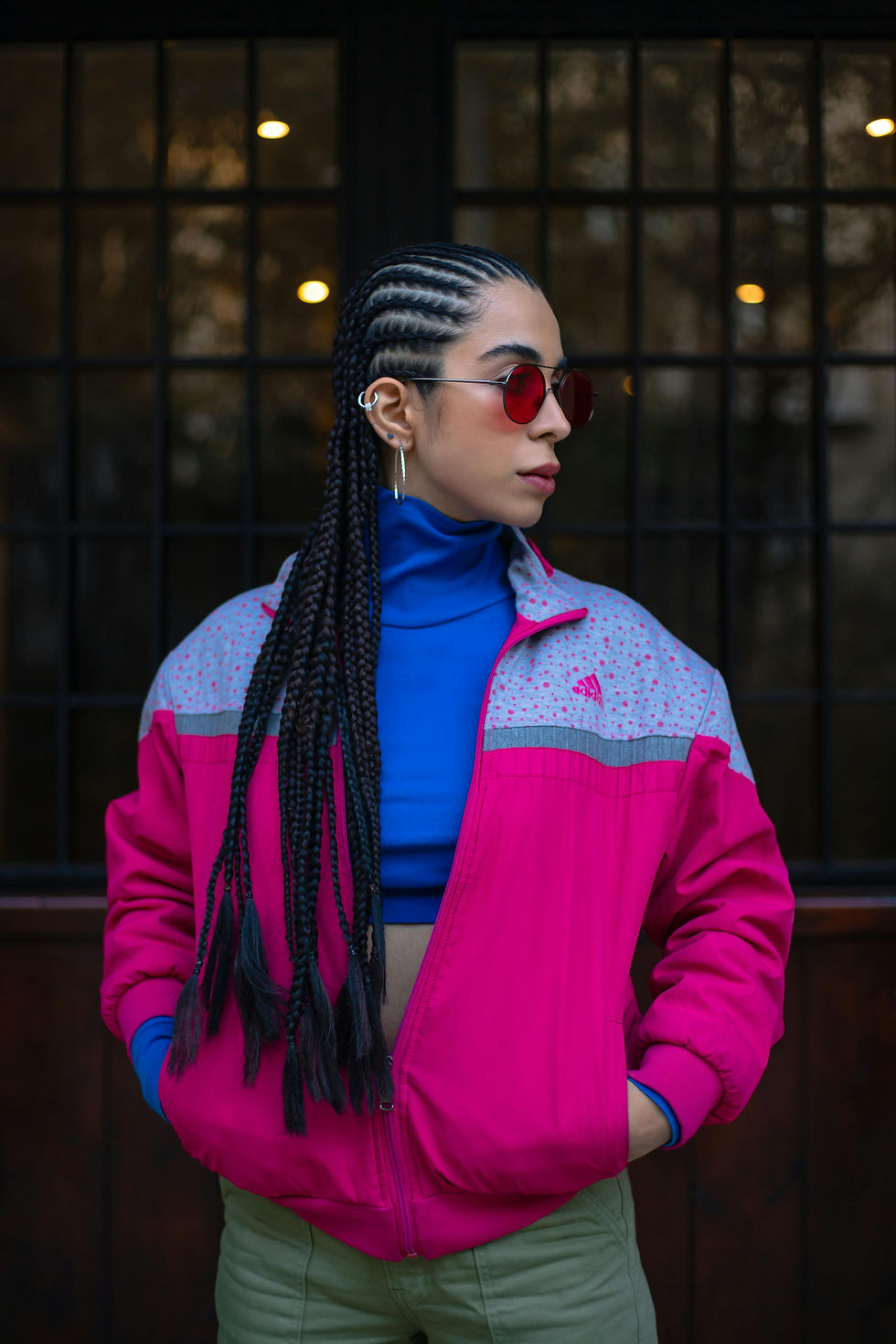
Armed with all this knowledge, the next step is making the jacket your own, both in choice and day-to-day style.
Selection depends on individual priorities: collectability, daily wear, or investment. Before you commit to a purchase, run through these key factors:
Fit: Vintage sizing runs small. Always check measurements, not just the label size.
Era: Decide which decade speaks to you. 60s pieces are rarer and pricier; 90s pieces are more accessible.
Logo authenticity: Woven logos are generally more authentic than printed ones on older pieces.
Intended use: Daily wear demands a sturdier piece; collection display allows for more fragile finds.
Budget: Set a realistic ceiling and stick to it. Great pieces exist at every price point.
Here is a quick reference for styling by era:
Era | Signature features | Best styling match |
1960s | Slim cut, minimal branding, solid colours | Tapered trousers, white trainers |
1970s | Three stripes, bold colourways, woven logos | Flared jeans, retro trainers |
1980s | Colour-blocking, oversized fit, large logos | Joggers, high-top trainers, cap |
1990s | Windbreaker fabrics, zip pockets, tonal designs | Baggy jeans, chunky trainers |
For care and longevity, always hand wash vintage nylon and polyester at low temperatures. Avoid tumble drying entirely. Store jackets on padded hangers rather than folded to preserve the shape of the shoulders. Check out fresh vintage arrivals regularly, as the best pieces move quickly.
Why Authenticity Matters More Than Perfection
After considering all the specs and style factors, it is worth reflecting on what truly makes a vintage piece special.
There is a persistent myth in collecting circles that only pristine vintage is worth owning. We would argue the opposite. A track jacket with a faded stripe and a slightly worn collar has something a brand-new reproduction simply cannot offer: a story. It has been somewhere. It has done something. That visible history is precisely what makes it interesting.
Many collectors value provenance, the story shown by visible wear, over flawless newness, and we think that instinct is exactly right. Minor imperfections are not flaws to be apologised for. They are evidence of authenticity. A small repair in period-correct thread, a faded logo from years of washing, a zip pull worn smooth by use: these details tell you the jacket is real.
Our view at My Vintage is that the soul of a garment lives in its history. When you choose a well-loved original over a perfect replica, you are choosing to carry that history forward. That is a far more interesting thing to wear. Explore our vintage sportswear expertise to find pieces with genuine character.

Find the Perfect Retro Track Jacket for Your Collection
Ready to make an iconic retro track jacket part of your wardrobe or display? Here is where to begin your search.
At My Vintage, we have been curating authentic vintage clothing since 2004, and our selection of retro track jackets is updated regularly with carefully verified originals. Every piece we stock is chosen for its authenticity, condition, and character. Whether you are after a classic Adidas Seefeld or something a little more unexpected, you will find it here.
And if you are looking to bring that same sense of curated style into your home, our vintage homeware selection offers equally characterful finds. Great vintage style is not just something you wear. It is something you live with.
Frequently Asked Questions
How do I tell if a retro track jacket is genuinely vintage?
Original tags and signs of uniform ageing are key authenticity markers. Check for period-specific zips, label fonts, care instruction formats, and country of manufacture to confirm a jacket’s age.
Are reproduction retro track jackets worth buying?
Reproductions may attract buyers with their consistent condition and classic styling, but they carry no collectable value. Originals are prized for their provenance and visible history, making them the stronger choice for serious enthusiasts.
Which brands made the most iconic retro track jackets?
Original track jacket models from Adidas, Puma, and Fila defined the sportswear era from the 60s to the 90s, with Ellesse, Le Coq Sportif, and Kappa also producing highly regarded pieces.
How should I style a retro track jacket today?
Pair a 70s or 80s track jacket with slim jeans and retro trainers for an effortless casual look, or mix it with tailored trousers and clean white trainers for a high-low street style that feels genuinely considered.
Recommended


Comments