


Vintage Costume Sourcing Guide 2025: Buying Authentic

Most vintage fashion guides overlook one critical detail: understanding the exact era transforms costume sourcing from guesswork into art. Whether you are drawn to 1950s tailoring or the free spirit of the 1970s, each decade demands a unique approach. With the vintage market booming across the United Kingdom and over 60 percent of shoppers seeking era-accurate clothing, knowing how to research, source, and preserve authentic costumes sets true enthusiasts apart.
Vintage Costume Sourcing Guide 2025: Table of Contents
Vintage Costume Sourcing Guide 2025: Key Takeaways
Key Insight | Explanation |
1. Define costume era and requirements | Focus on a specific historical period to understand its unique styles, fabrics, and cultural influences for authenticity. |
2. Research reputable vintage sources | Identify reliable retailers and markets that offer genuine vintage clothing to build your costume collection effectively. |
3. Inspect authenticity and condition | Thoroughly examine garments for construction details and wear to confirm their vintage status and value. |
4. Verify fit and sustainability | Measure garments accurately and consider the environmental impact of your vintage pieces to promote responsible fashion choices. |
5. Proper care for vintage costumes | Use archival storage and consult professionals for cleaning to ensure the longevity and integrity of vintage pieces. |
Step 1: Define your costume requirements and era focus
Understanding the specific historical period you want to recreate is crucial for crafting an authentic vintage costume. Each decade brings its own distinctive silhouettes, fabric choices, and design elements that define its unique aesthetic. The rise of vintage fashion research from the University of Huddersfield highlights how critical era comprehension is for creating genuine vintage looks.
To pinpoint your costume requirements, start by selecting a specific decade and researching its characteristic styles. Consider factors like social context, cultural movements, and technological advancements that influenced fashion during that time. The British Guild of Historical Costume Makers emphasises that authenticity goes beyond visual appearance by recommending appropriate fabrics, accurate undergarments, and precise silhouettes.
When defining your era focus, examine key design elements such as hemline lengths, fabric patterns, typical colour palettes, and structural details unique to your chosen period. For instance, 1950s costumes differ dramatically from 1970s styles in cut, proportion, and overall aesthetic. By conducting thorough research and paying attention to minute historical details, you will create a costume that truly captures the spirit of its time.
Step 2: Research reliable vintage retailers and sources
Finding authentic vintage clothing requires strategic research and knowledge of reputable sources. Understanding where to look is as important as knowing what to look for when building your vintage costume collection. The UK vintage market surge highlights specific locations that offer exceptional opportunities for vintage enthusiasts, including specialised markets and dedicated retailers.
Your research strategy should encompass multiple sourcing channels. Online platforms, speciality vintage shops, local markets, and auction houses each present unique opportunities for discovering remarkable pieces. Comprehensive wholesale vintage clothing guides recommend exploring dedicated vintage markets like Hackney Flea Market and Lewes Flea Market, which are renowned for their curated collections and rare finds.
When investigating potential retailers, develop a critical eye for authenticity. Examine seller credentials, review detailed product descriptions, request additional photographs, and verify the provenance of vintage pieces. Reputable vintage retailers such as My Vintage, will typically provide transparent information about an item’s age, condition, and historical context. By adopting a methodical approach and maintaining high standards, you will gradually build a network of trusted vintage clothing sources that can support your costume sourcing journey.
Step 3: Inspect item authenticity and condition details
Authentic vintage costume sourcing requires a meticulous approach to examining each potential piece. Academic research on vintage fashion verification underscores the importance of comprehensive item inspection, focusing on multiple critical elements that reveal a garment’s true origins and condition.
Begin your detailed examination by carefully assessing the item’s construction and materials. Look for period appropriate sewing techniques, original labels, fabric composition, and manufacturing details that align with the specific era you are researching. Pay close attention to intricate elements like zipper types, button styles, seam finishes, and fabric weaves that can definitively indicate a garment’s authentic vintage status.

When evaluating condition, conduct a thorough physical inspection that goes beyond surface appearance. Examine the entire garment for signs of wear, potential restoration, fabric degradation, and structural integrity. Check for hidden damages in less visible areas like underarm seams, interior linings, and hemlines. Subtle details can reveal much about a vintage piece’s history and true value, so approach each inspection with patience and a discerning eye. Remember that understanding authenticity is a skill developed through experience and continuous learning.
Step 4: Verify fit, quality, and sustainability credentials
The growing second-hand fashion trend highlights the importance of carefully evaluating vintage clothing beyond mere aesthetic appeal. Assessing a garment requires a comprehensive approach that considers fit, material quality, and environmental impact. Vintage pieces demand more nuanced examination compared to contemporary clothing, as each item carries its own unique history and potential limitations.
To verify fit, begin by comparing the garment’s measurements with your body dimensions. Request detailed measurements from sellers, including precise length, chest, waist, and hip measurements. Research from the University of Huddersfield emphasises that vintage clothing fit varies significantly from modern sizing standards, making careful measurement crucial for successful vintage costume acquisition.
When evaluating sustainability credentials, consider the garment’s potential for continued use, its original manufacturing process, and the environmental benefit of extending its lifecycle. Examine the item’s current condition, potential for repair or restoration, and the quality of its original construction. Sustainable vintage shopping is not just about purchasing old clothing but about making thoughtful choices that reduce textile waste and celebrate craftsmanship from previous eras. By approaching vintage costume sourcing with this holistic perspective, you transform simple clothing acquisition into an act of cultural preservation and environmental responsibility.
Step 5: Secure your vintage costume with proper care instructions
Professional costume preservation guidelines from the British Guild of Historical Costume Makers emphasise the critical importance of meticulous care for vintage garments. Maintaining a vintage costume requires more than casual maintenance it demands a strategic approach that respects the fabric’s age and delicate construction.
Storage plays a pivotal role in preserving your vintage costume’s integrity. Choose archival quality padded hangers that support the garment’s original shape without causing stress to delicate seams or fabric. Avoid plastic covers which can trap moisture and promote fabric degradation opt instead for breathable cotton garment bags that protect against dust while allowing air circulation. Store your vintage pieces in a cool dry environment away from direct sunlight which can cause colour fading and fabric weakening.
Cleaning vintage costumes requires an exceptionally gentle touch. Always consult a professional textile conservator before attempting home cleaning methods that might compromise the garment’s structure. For minor maintenance use soft brushes to remove surface dust and store delicate items flat when possible to prevent unnecessary strain on fragile seams and decorative elements. Remember that each vintage piece is a historical artifact requiring respectful and informed preservation techniques.
Discover Authentic Vintage Costumes with Confidence
Sourcing the perfect vintage costume can feel overwhelming when you consider factors like era authenticity, garment condition, and sustainability. This guide highlights the key challenges such as verifying fit against modern sizing, ensuring genuine vintage fabrics and construction, and preserving your costume with care. At My Vintage, we understand these concerns and offer a carefully curated collection of vintage clothing from the 1940s to the 1990s designed to meet the high standards outlined by historical costume experts.
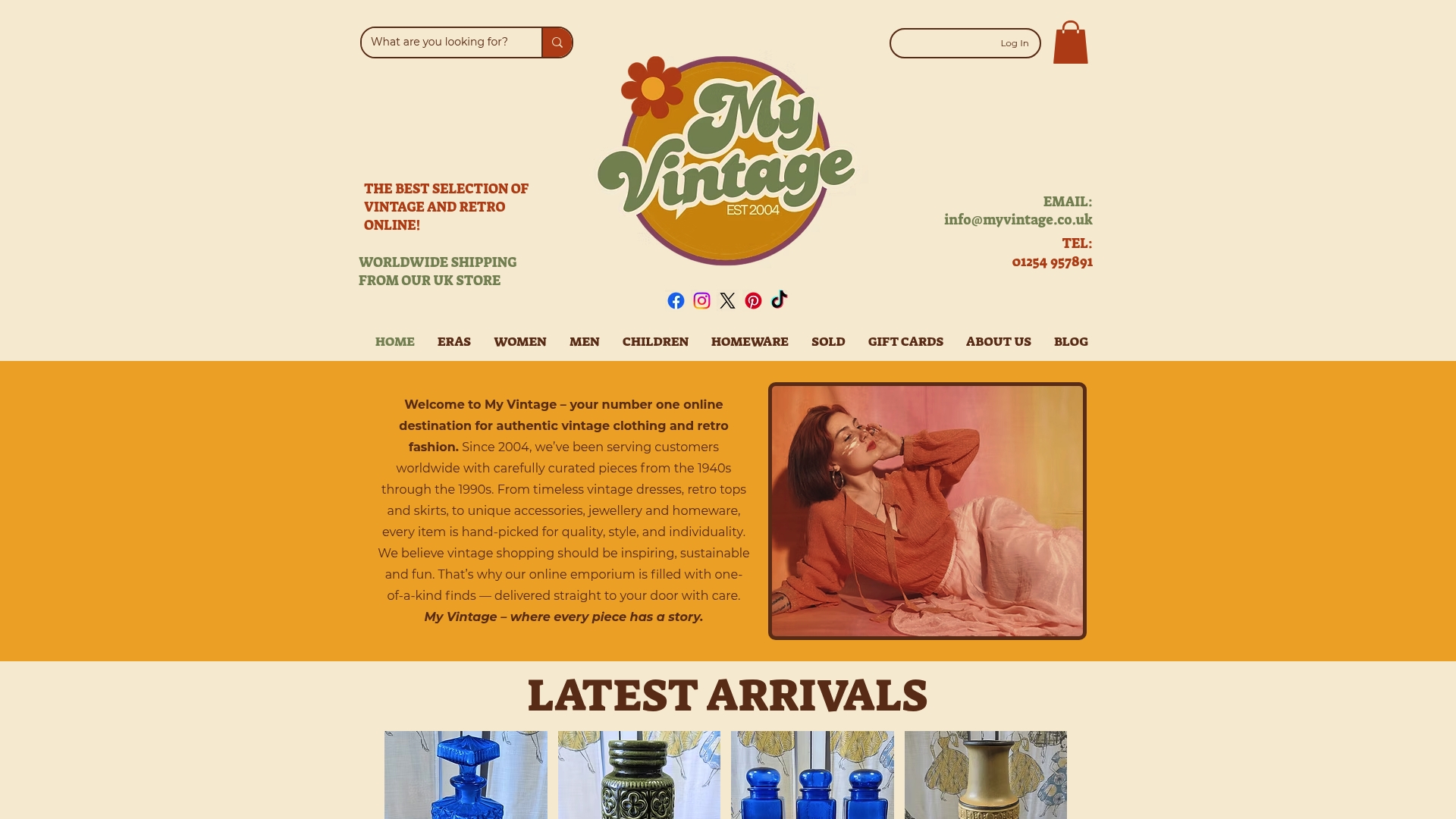
Explore our selection today to find costumes that truly capture the spirit of the past, supported by detailed product descriptions and expert knowledge. By choosing My Vintage, you benefit from sustainable fashion practices and authentic pieces ideal for media productions, theatre, or standout personal style. Start your journey to timeless retro looks now by visiting our website and experience the confident ease of sourcing vintage costumes with integrity and style.
Frequently Asked Questions
How do I define my vintage costume requirements?
To define your vintage costume requirements, start by selecting a specific historical period that interests you. Research the characteristic styles, fabric choices, and design elements from that decade to ensure your costume reflects an authentic retro look.
What should I look for when researching vintage clothing retailers?
When researching vintage clothing retailers, focus on their authenticity and reputation. Examine seller credentials, read detailed product descriptions, and request additional photographs to ensure the items match your vintage costume vision.
How can I inspect the authenticity and condition of vintage garments?
To inspect the authenticity and condition of vintage garments, assess the item’s construction, materials, and manufacturing details. Look for period-appropriate sewing techniques and conduct a thorough physical inspection checking for signs of wear and structural integrity.
What steps should I take to ensure a proper fit for vintage clothing?
To ensure a proper fit for vintage clothing, compare the garment’s measurements with your body dimensions before purchasing. Request detailed measurements from the seller, including length, chest, waist, and hip sizes, to avoid sizing discrepancies.
How do I care for my vintage costume after purchasing it?
After purchasing a vintage costume, store it using archival quality padded hangers to maintain its shape. Clean the garment gently, preferably consulting a professional textile conservator, and avoid using harsh cleaning methods that could damage the fabric.
What sustainability considerations should I keep in mind when sourcing vintage clothing?
When sourcing vintage clothing, consider the garment’s potential for continued use and its original manufacturing processes. Aim for pieces that are well-constructed and evaluate their condition to minimise textile waste and promote environmental responsibility.
Recommended


Comments