


Vintage Trends for 2025 – Key Looks and Influences

Nearly 40 percent of vintage fashion lovers believe sustainability is the driving force behind their wardrobe choices. As new retro trends shape the style landscape in 2025, this shift matters to anyone who values individuality and environmental impact. If you seek to refresh your wardrobe with distinct, eco-friendly classics while staying ahead of the latest era-blending looks, you will discover fresh inspiration drawn from both historical aesthetics and modern practicalities.
Table of Contents
Key Takeaways
Point | Details |
Emphasis on Sustainability | 2025 vintage fashion prioritises eco-conscious materials, extending garment life through reuse and reducing textile waste. |
Cultural Fusion of Eras | Popular styles draw on the 1970s to early 2000s, blending aesthetics for a unique contemporary look. |
Individual Expression | Vintage fashion facilitates personal storytelling and self-expression through bold styling and unique combinations. |
Navigating Vintage Wisely | Avoid common pitfalls by ensuring proper fit and balancing vintage elements with modern accessories. |
Defining Vintage Trends in 2025 Fashion
Vintage fashion in 2025 represents a dynamic intersection of nostalgia, sustainability, and bold self-expression. The emerging landscape signals a profound shift beyond mere clothing reproduction, transforming vintage style into a sophisticated cultural statement. Vintage trends of 2025 are characterised by an intentional blend of historical aesthetic appreciation and contemporary ecological consciousness.

The most compelling narrative emerging in 2025 vintage fashion centres on regenerative style principles. Designers and fashion enthusiasts are gravitating towards periods between the 1970s and 1990s, embracing bold colour palettes, experimental silhouettes, and statement accessories that communicate individual personality. Natural fabrics take centre stage, with sustainable materials like organic cotton, recycled denim, and responsibly sourced wool becoming pivotal selection criteria for authentic vintage pieces.
Key characteristics defining 2025 vintage trends include:
Bold, saturated colour schemes from retro decades
Emphasis on sustainable, eco-conscious material selection
Statement accessories that elevate minimalist outfits
Layering techniques that blend multiple vintage eras
Preference for high-quality, durable clothing with historical narrative
Vintage Pro Tip: When curating your vintage wardrobe for 2025, prioritise pieces that not only represent historical aesthetics but also align with sustainable fashion principles and personal storytelling.
Popular Eras and Standout Styles This Year
Vintage fashion in 2025 is experiencing a remarkable revival, with multiple decades converging to create a rich, eclectic style landscape. The return of retro styles demonstrates a profound consumer shift towards nostalgic fashion statements that blend multiple historical aesthetic influences.
The current vintage scene predominantly celebrates styles from the 90s and early 2000s, featuring distinctive elements like baggy denim, leather jackets, corset tops, and designer handbags. These iconic pieces represent more than mere clothing reproductions - they symbolise a cultural reconnection with past aesthetic expressions. Notably, the 70s boho chic, 80s power dressing, and early internet culture aesthetics are also making significant comebacks, characterised by bold geometric prints, monochrome palettes, and vintage logos.
Key vintage style highlights for 2025 include:
Minimalist Y2K glam aesthetic
Grunge-inspired streetwear
Boho chic layering techniques
Retro sportswear reimagined
Iconic early internet culture clothing references
The underlying trend driving these vintage revivals is a commitment to sustainability, individuality, and conscious fashion consumption. Each selected piece tells a story, transcending mere clothing to become a statement of personal style and environmental awareness.

Here’s how popular vintage fashion eras contribute to 2025 style diversity:
Era | Distinctive Features | Typical Fabrics | Modern Styling Impact |
1970s | Boho chic layering | Suede, cotton, denim | Promotes pattern mixing |
1980s | Power dressing, bold prints | Wool, polyester | Inspires structured looks |
1990s | Grunge, baggy denim | Denim, flannel | Casual streetwear focus |
Early 2000s | Minimalist Y2K glamour | Synthetic blends | Clean, fitted silhouettes |
Vintage Pro Tip: When exploring vintage styles, focus on versatile pieces that can be styled across multiple eras and complement your existing wardrobe for maximum wearability and sustainability.
Sustainable Fashion’s Influence on Vintage
Sustainability has become the cornerstone of contemporary vintage fashion, transforming how consumers approach clothing consumption and environmental responsibility. Circular practices are increasingly integrated into the UK fashion industry, with vintage clothing playing a critical role in extending product lifecycles and reducing waste.
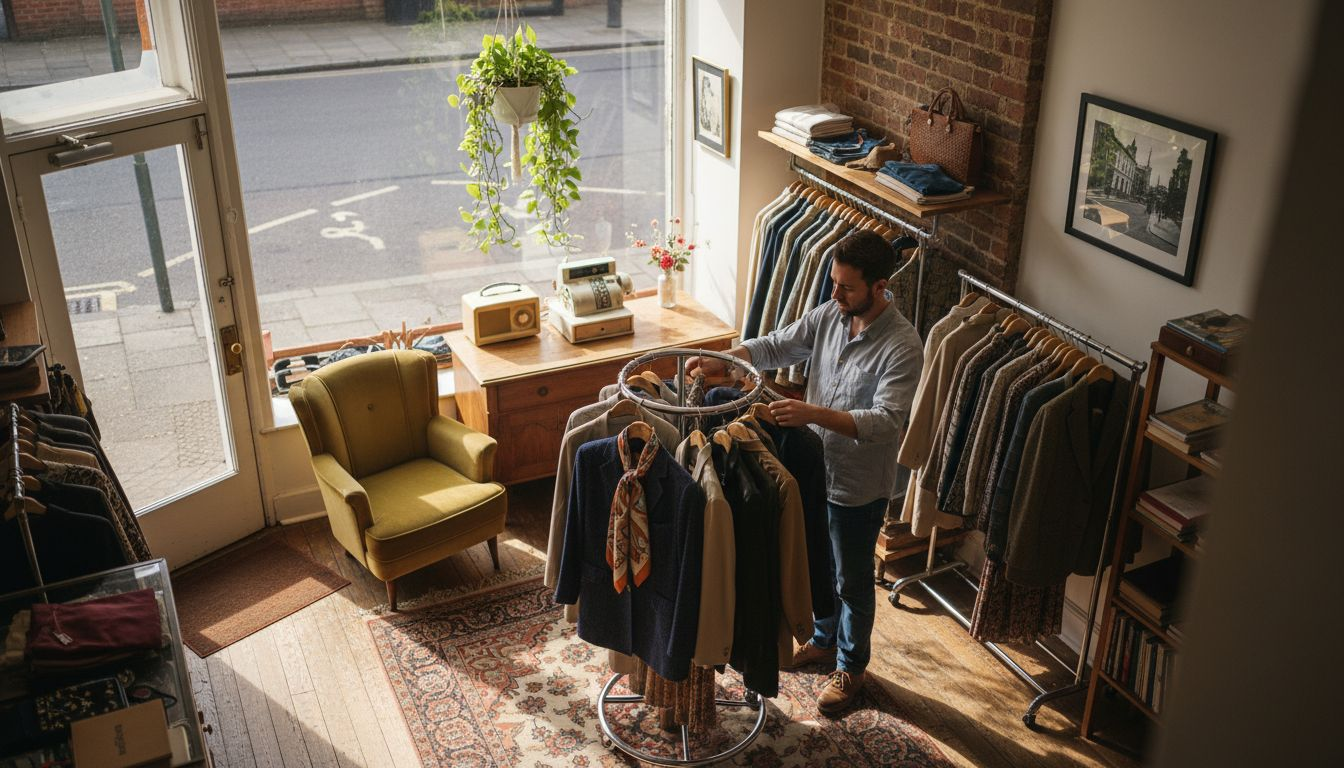
The contemporary vintage movement represents more than a fashion trend - it is a powerful statement of environmental consciousness. Gen Z consumers are particularly driving this shift, valuing vintage purchases as an ethical wardrobe strategy that directly challenges the unsustainable practices of fast fashion. By choosing pre-owned garments, fashion enthusiasts are actively participating in a circular economy that prioritises reuse, repair, and long-term clothing sustainability.
Key sustainable attributes of vintage fashion include:
Extending clothing lifecycle through reuse
Reducing textile waste and environmental impact
Supporting circular fashion economies
Minimising carbon footprint from new clothing production
Preserving historical textile craftsmanship
The intersection of vintage style and sustainability demonstrates that fashion can be both environmentally responsible and aesthetically compelling. Each vintage piece represents a conscious choice to reduce waste, celebrate craftsmanship, and challenge the disposable culture of modern clothing consumption.
Compare the sustainable benefits of choosing vintage fashion in 2025:
Sustainability Aspect | Vintage Fashion Advantage | Fast Fashion Drawback |
Waste Reduction | Extends garment lifespan | High textile waste |
Carbon Footprint | Minimises new production emissions | Significant resource consumption |
Material Quality | Preserves durable textiles | Lower quality, short-lived fibres |
Ethical Impact | Supports responsible consumption | Often poor labour standards |
Vintage Pro Tip: When building a sustainable wardrobe, prioritise vintage pieces with timeless designs and high-quality materials that can be easily mixed, matched, and maintained.
Styling Tips for Unique 2025 Retro Looks
2025’s vintage fashion landscape demands creative and nuanced styling approaches that seamlessly blend nostalgia with contemporary sensibilities. Retro styling now involves sophisticated layering techniques that mix bold vintage elements with modern tailoring and sustainable fabrics.
The key to mastering 2025 retro looks lies in thoughtful era-blending and unexpected combinations. Imagine pairing a structured 80s blazer with 70s suede fringe trousers, or combining a Y2K cropped top with wide-leg 90s denim. These cross-decade compositions create visual narratives that speak to both historical appreciation and personal style evolution. Metallic accessories and contemporary fits provide the perfect modern counterpoint to vintage base pieces.
Key styling strategies for authentic yet contemporary vintage include:
Layer contrasting decade pieces
Mix structured and fluid silhouettes
Incorporate sustainable, natural fabric choices
Use metallic accessories as modern accents
Balance oversized and fitted garments
Prioritise unique, personalised combinations
Successful vintage styling in 2025 is less about strict historical reproduction and more about personal interpretation. Each outfit becomes a curated statement that reflects individual creativity, cultural awareness, and a commitment to sustainable fashion practices.

Vintage Pro Tip: Select vintage pieces with clean lines and versatile colours that can be effortlessly integrated into multiple outfit compositions, maximising your wardrobe’s flexibility and reducing unnecessary consumption.
Avoiding Pitfalls: Common Vintage Mistakes
Navigating vintage fashion requires a delicate balance between historical appreciation and contemporary styling, with numerous potential missteps that can undermine your carefully curated look. Common vintage fashion mistakes in 2025 often stem from inappropriate styling choices that disrupt the harmony between historical pieces and modern sensibilities.
The most prevalent vintage styling errors arise from overcomplicating outfits or misunderstanding the nuanced art of era-blending. Enthusiasts frequently make the mistake of treating vintage clothing as costume pieces, rather than understanding how to integrate them seamlessly into a modern wardrobe. Overwhelming ensembles that mix too many patterns, periods, or exaggerated silhouettes can quickly transform a sophisticated vintage look into a theatrical costume.
Key vintage styling pitfalls to avoid include:
Mismatching formal and casual pieces inappropriately
Wearing ill-fitting garments without proper tailoring
Overloading an outfit with too many vintage statement pieces
Neglecting modern accessories that ground vintage looks
Ignoring fabric quality and overall garment condition
Failing to consider personal body shape and proportions
Successful vintage styling demands a nuanced approach that balances historical authenticity with personal expression. The goal is to create a cohesive look that celebrates vintage craftsmanship while remaining contemporary and individually distinctive.
Vintage Pro Tip: Always try on vintage pieces and consider professional tailoring to ensure a perfect fit that flatters your unique body shape and modernises the historical garment.
Embrace Timeless Vintage Style with Sustainability in Mind
Discover the perfect way to bring the bold, sustainable vintage trends of 2025 into your wardrobe with My Vintage. This article highlights key challenges such as blending eras authentically and choosing pieces that honour both style and environmental responsibility. At My Vintage, we understand your goals of curating a unique, eco-conscious wardrobe featuring high-quality vintage apparel from the 1940s to the 1990s. Our carefully selected collection supports your desire to create versatile outfits that tell a story while prioritising durability and ethical fashion practices.

Take the next step towards crafting your standout vintage look by exploring our extensive range of authentic vintage clothing and accessories. Whether you aim to master layering techniques, find statement pieces from the 70s to the early 2000s, or simply shop with a sustainable mindset, My Vintage provides expertly curated items that connect historical significance with contemporary style. Visit our site today and start building a vintage wardrobe that is as responsible as it is remarkable.
Frequently Asked Questions
What are the key characteristics of vintage trends in 2025?
Vintage trends in 2025 feature bold colour schemes, sustainable material selection, statement accessories, layering techniques that combine multiple eras, and a focus on high-quality, durable clothing with historical significance.
Which vintage eras are most popular in 2025?
The most popular vintage eras in 2025 include the 70s, 80s, 90s, and early 2000s, with styles such as boho chic, power dressing, grunge-inspired streetwear, and minimalist Y2K aesthetics making a significant impact on current fashion.
How does sustainability influence vintage fashion in 2025?
Sustainability is central to vintage fashion in 2025, promoting the reuse of garments, reducing textile waste, and supporting circular economies. Consumers are increasingly valuing vintage purchases as a more ethical alternative to fast fashion.
What are some common mistakes to avoid when styling vintage clothing?
Common mistakes in styling vintage clothing include mismatching formal and casual pieces, wearing ill-fitting garments without tailoring, overloading outfits with too many statement pieces, and neglecting modern accessories that ground vintage looks.
Recommended


Comments