


Vintage vs Modern: A Complete Style Guide
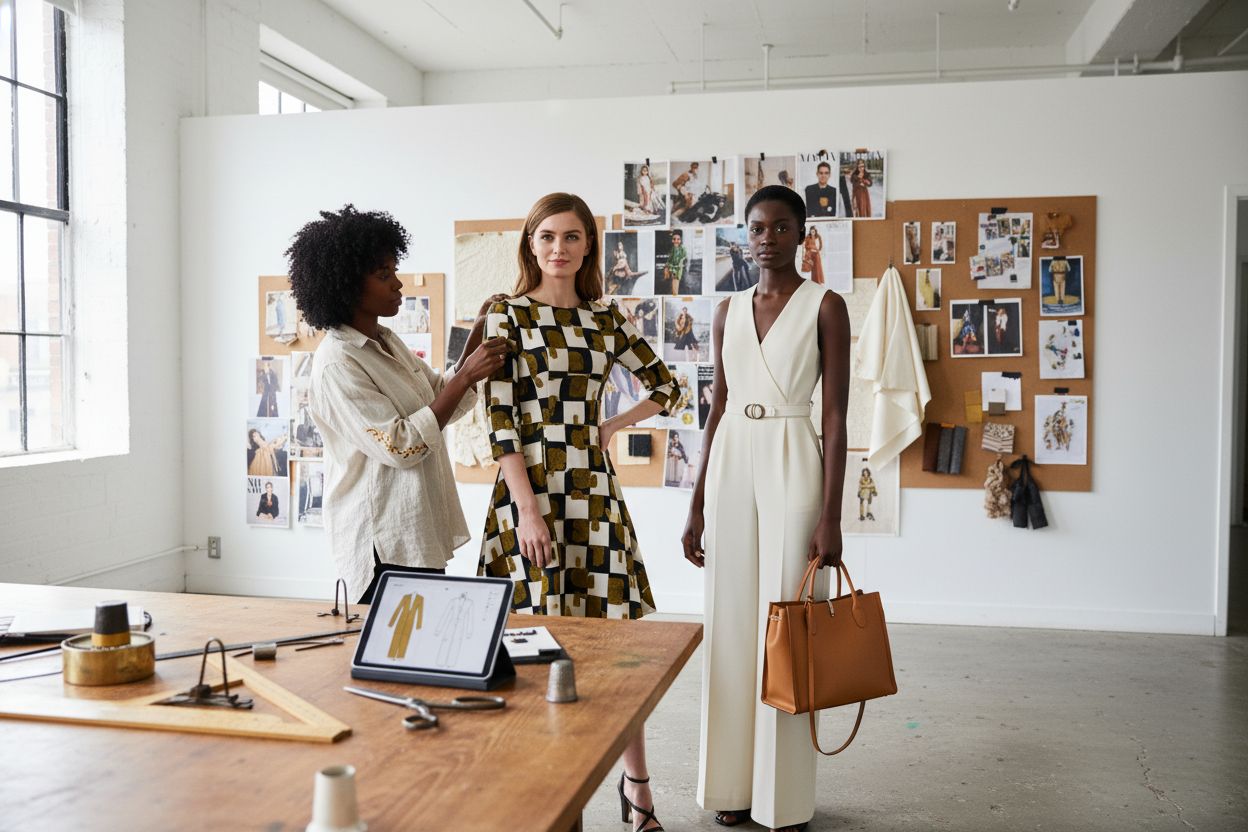
Did you know that experts estimate the sustainable fashion market will exceed $9 billion in the next few years? Vintage trends and modern style do more than shape your wardrobe, they reveal evolving attitudes toward creativity, identity, and environmental impact. Discover how the intricate storytelling of vintage pieces meets the clean simplicity of modern design, and see why your fashion choices today carry both personal and cultural significance.
Key Takeaways
Point | Details |
Vintage vs. Modern Fashion | Vintage focuses on individuality and craftsmanship while modern emphasizes minimalism and practicality. |
Sustainability Benefits | Vintage fashion significantly reduces waste and resource consumption, contributing to environmental sustainability. |
Styling Integration | Successfully mixing vintage and modern elements requires confidence and strategic pairing for a cohesive look. |
Authenticity in Vintage Shopping | Knowledge of historical styles and construction techniques is crucial for identifying authentic vintage pieces. |
Table of Contents
Defining Vintage Trends and Modern Style
Vintage fashion and modern style represent two distinct aesthetic philosophies that reflect more than just clothing choices - they embody entire cultural perspectives. Exploring the nuanced world of vintage style reveals a fascinating journey through design, craftsmanship, and personal expression.
According to research from quirky clothing experts, vintage fashion is characterised by unique patterns, intricate details, and exceptional craftsmanship that evokes a profound sense of nostalgia. These pieces tell stories - each stitch and fabric choice representing a specific historical moment. In contrast, modern style emphasises minimalism, clean lines, and functionality, catering to contemporary fast-paced lifestyles where simplicity and practicality reign supreme.
Environmentally conscious fashion lovers will appreciate that vintage fashion offers significant sustainability advantages. Research indicates vintage clothing supports environmental goals by:
Reusing existing garments
Reducing textile waste
Conserving resources like water and energy
Lowering overall carbon footprints compared to modern fast-fashion production
The key difference lies not just in aesthetic appeal, but in philosophical approach: vintage celebrates individuality and historical craftsmanship, while modern style prioritises efficiency and contemporary trends. Whether you’re drawn to the intricate detailing of a 1950s cocktail dress or the sleek minimalism of a contemporary jumpsuit, both styles offer unique ways to express personal identity through fashion.
Key Characteristics of Vintage and Modern Fashion
Fashion is a visual language that communicates personal style, cultural history, and individual creativity. Learn more about how vintage impacts fashion choices, and you’ll discover a world where every garment tells a unique story.
According to research from quirky clothing experts, vintage pieces are distinguished by their bold, distinctive aesthetic. They typically feature elaborate prints - especially iconic designs from the 1960s - and intricate tailoring that celebrates exceptional craftsmanship. These garments are not just clothing, but wearable art pieces that reflect the design philosophies and cultural nuances of their historical periods.
Modern fashion, in contrast, embraces a dramatically different approach. Key characteristics include:
Streamlined silhouettes
Emphasis on practicality
Use of contemporary, high-tech materials
Minimalist design principles
Focus on versatility and ease of movement
The divergence between vintage vs modern fashion goes beyond mere aesthetics. While vintage clothing represents a meticulous celebration of historical design and individual expression, modern fashion prioritises functionality, adaptability, and the fast-paced rhythms of contemporary life. Each style offers a distinct perspective on personal identity, allowing fashion enthusiasts to curate wardrobes that truly reflect their unique sensibilities.
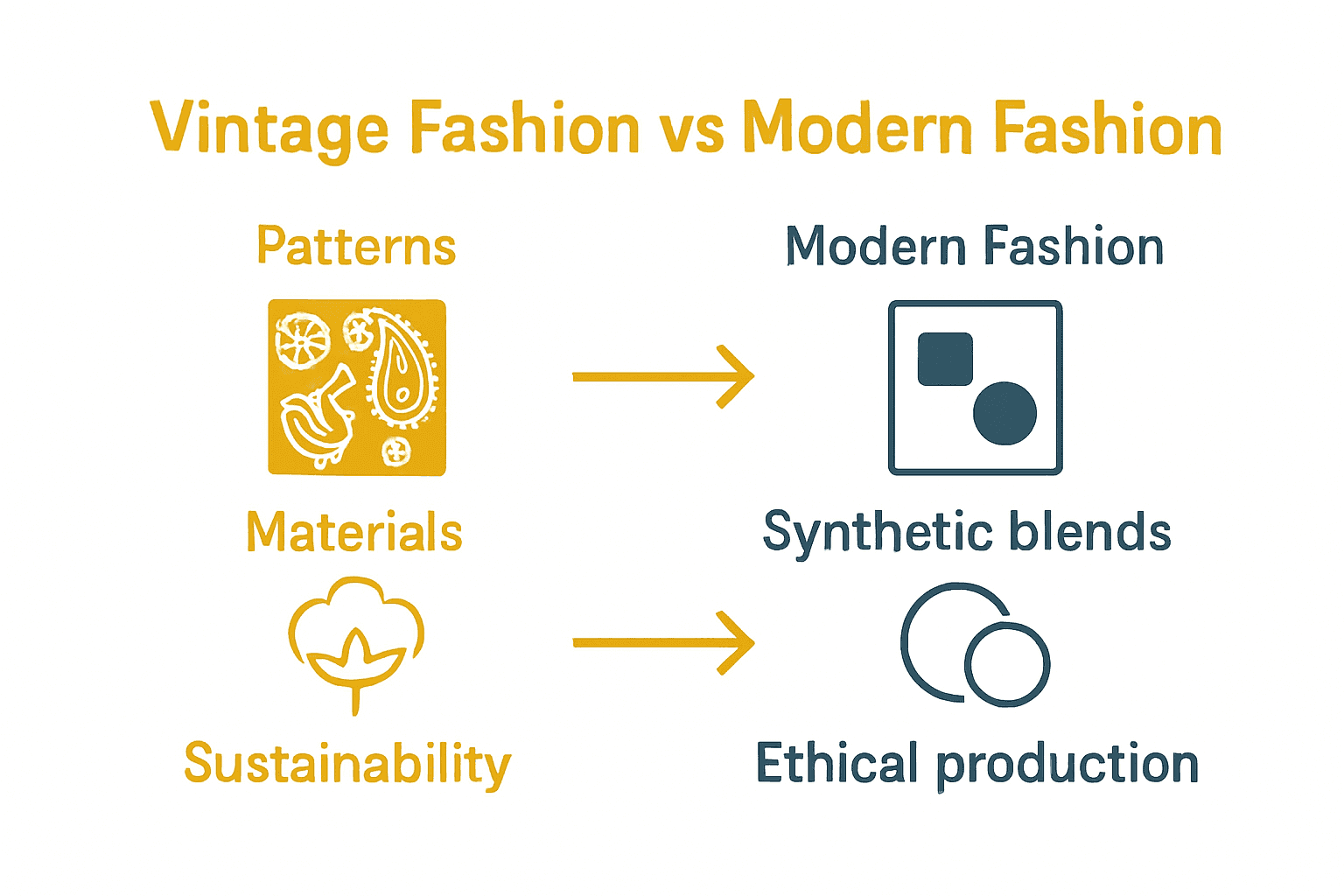
Here’s a comparison of the key characteristics of vintage and modern fashion:
Characteristic | Vintage Fashion | Modern Fashion |
Aesthetic Focus | Unique patterns Intricate details | Clean lines Minimalism |
Materials | Traditional fabrics Natural fibres | High-tech materials Blends |
Craftsmanship | Exceptional Hand-finished | Mass-produced Efficient |
Cultural Influence | Celebrates history Nostalgic | Contemporary trends Globalised |
Sustainability Angle | Reuse Resource conservation | Recycled fibres Ethical production |
Self-Expression | Individuality Storytelling | Versatility Adaptability |
Sustainable Fashion: Vintage vs Modern Approaches
Sustainability has become a critical consideration in contemporary fashion choices, with vintage and modern approaches offering distinctly different environmental strategies. Learn more about the benefits of sustainable fashion to understand how your wardrobe can make a meaningful difference.
According to research from Wikipedia, vintage clothing emerges as a powerful solution to textile waste and environmental challenges. By reusing existing garments, vintage fashion effectively reduces resource consumption and circumvents the water and energy-intensive processes typical of new clothing manufacturing. This approach directly contributes to lowering greenhouse gas emissions and minimising the fashion industry’s environmental footprint.
The sustainability advantages of vintage fashion are compelling:
Eliminates need for new textile production
Reduces water consumption
Minimises energy usage in manufacturing
Prevents clothing from ending up in landfills
Extends the lifecycle of existing garments
Modern sustainable fashion is increasingly responding to these environmental imperatives by incorporating recycled materials, implementing ethical production practices, and designing clothing with longer-term use in mind. While different in approach, both vintage and modern sustainable fashion share a fundamental goal: reducing the fashion industry’s environmental impact and promoting more responsible consumption patterns. By choosing either vintage pieces or consciously produced modern garments, consumers can actively participate in creating a more sustainable fashion ecosystem.

Styling Vintage Pieces in a Modern Wardrobe
Reviving retro fashion requires understanding how to seamlessly blend vintage and contemporary styles, transforming your wardrobe into a sophisticated expression of personal style. Vintage integration is an art form that balances historical charm with modern sensibility, allowing you to create unique, eye-catching ensembles that transcend traditional fashion boundaries.
Mastering the art of vintage styling involves strategic pairing and thoughtful composition. Start by selecting one statement vintage piece as your outfit’s focal point - perhaps a beautifully tailored 1950s blazer or an intricate 1960s silk scarf. Anchor this piece with contemporary basics like slim-cut jeans, neutral-toned sweaters, or minimalist leather sneakers to create a balanced, harmonious look.
Effective vintage styling strategies include:
Mixing textures and periods
Balancing voluminous vintage pieces with sleek modern items
Using modern accessories to update vintage looks
Selecting versatile vintage pieces with timeless silhouettes
Experimenting with unexpected color combinations
The key to successful vintage styling is confidence and personal interpretation. Your vintage pieces should feel like an extension of your personality, not a costume.
By thoughtfully integrating vintage elements into your contemporary wardrobe, you create a distinctive style that celebrates fashion history while remaining distinctly, uniquely you.
Buying Vintage in the UK: Authenticity and Best Practices
Understanding what constitutes authentic vintage requires careful research and expert knowledge, making the vintage shopping journey both exciting and nuanced. Vintage shopping in the UK is an art form that combines historical appreciation, fashion expertise, and personal style exploration.
According to research from Prima magazine, successful vintage purchasing hinges on several critical best practices. Reputable vintage dealers - both online and in physical stores - serve as your primary gateway to genuine, high-quality vintage pieces. Before making a purchase, invest time in researching vintage labels, understanding specific decade characteristics, and carefully reading seller policies and item measurements.
Key strategies for authentic vintage shopping include:
Developing knowledge of historical fashion eras
Understanding which styles complement your body shape
Examining garment construction and fabric quality
Verifying authenticity through detailed seller descriptions
Learning proper garment storage and preservation techniques
The vintage shopping experience transcends mere clothing acquisition - it’s about connecting with fashion history, supporting sustainable consumption, and curating a wardrobe that tells a unique personal story. By approaching vintage shopping with curiosity, patience, and informed discernment, you transform each piece from a simple garment into a treasured narrative of style and craftsmanship.
Unleash Your Unique Look With Authentic Vintage Fashion
Struggling to find genuine vintage pieces that combine historical charm with modern versatility? If you crave individuality and want to enjoy the sustainability benefits described in our style guide, you are not alone. Many fashion lovers face the challenge of sourcing well-curated, authentic vintage clothing that tells a story and also fits seamlessly into a contemporary wardrobe. At My Vintage, you will discover an expertly curated collection of one-of-a-kind vintage apparel and retro homeware. Each piece is carefully selected to offer quality, history, and real personality so you can truly express yourself while making conscious choices.
Transform your personal style today by browsing our range of authentic vintage clothing and accessories. Whether you are looking for sustainable wardrobe heroes or statement pieces for media productions, now is the perfect moment to experience fashion with meaning. Visit My Vintage and make your wardrobe as unique as you are.
Frequently Asked Questions
What are the key differences between vintage fashion and modern style?
Vintage fashion is characterised by unique patterns, intricate details, and exceptional craftsmanship with a focus on individuality and historical significance. In contrast, modern style emphasises minimalism, clean lines, and practicality, catering to contemporary lifestyles.
How does vintage fashion contribute to sustainability?
Vintage fashion promotes sustainability by reusing existing garments, reducing textile waste, conserving resources, and lowering carbon footprints compared to modern fast-fashion production practices.
What should I consider when styling vintage pieces with modern clothing?
When styling vintage pieces, consider using one vintage statement item as the focal point and pairing it with contemporary basics. Mixing textures, balancing voluminous vintage items with sleek modern pieces, and using modern accessories can create a harmonious look.
What are the best practices for authentic vintage shopping?
To ensure authentic vintage purchases, develop knowledge of historical fashion eras, examine garment construction and fabric quality, verify authenticity through detailed descriptions, and learn proper garment storage and preservation techniques.
Recommended


Comments